
Mon - Sat: 08:00 - 18:00 Sunday CLOSED
By-pass Road Khuiratta, District Kotli Azad Jammu and Kashmir
Please wait...
Mon - Sat: 08:00 - 18:00 Sunday CLOSED
By-pass Road Khuiratta, District Kotli Azad Jammu and Kashmir

In today's digital era, web technology plays a crucial role in shaping how we interact, conduct business, and access information. From static web pages to dynamic, AI-driven platforms, the evolution of web technology has been remarkable. Let’s explore its journey, key advancements, and future trends.
The internet started with simple, text-based HTML web pages in the early 1990s. Websites were static, meaning users could only view content without any interaction. CSS was later introduced to improve design, while JavaScript added basic interactivity.
With the advent of server-side scripting languages like PHP, ASP, and databases like MySQL, websites became more dynamic. This allowed for user interactions, personalized content, and e-commerce functionalities. The early 2000s saw the rise of content management systems (CMS) such as WordPress and Joomla, making web development accessible to non-developers.
The mid-2000s marked the rise of Web 2.0, where user engagement became the focus. Social media platforms, blogs, and video-sharing websites flourished, allowing users to create and share content. Technologies like AJAX enabled real-time updates without reloading pages, enhancing user experience.
Today, web development is driven by powerful frameworks and technologies. JavaScript frameworks like React, Angular, and Vue.js enable highly responsive and scalable applications. Backend technologies such as Node.js, Django, and Laravel have enhanced performance and security. Cloud computing, APIs, and microservices architecture have also contributed to the web’s scalability and efficiency.
The future of web technology is exciting, with trends like Artificial Intelligence, Progressive Web Apps (PWAs), and blockchain integration transforming the landscape. Voice search, augmented reality (AR), and the Internet of Things (IoT) will further redefine web experiences, making them more immersive and intelligent.
Web technology has come a long way, continuously evolving to meet user needs. As innovations emerge, businesses and developers must stay updated with the latest trends to create seamless, engaging, and secure web experiences. The future holds limitless possibilities, and staying ahead in web technology is more important than ever.
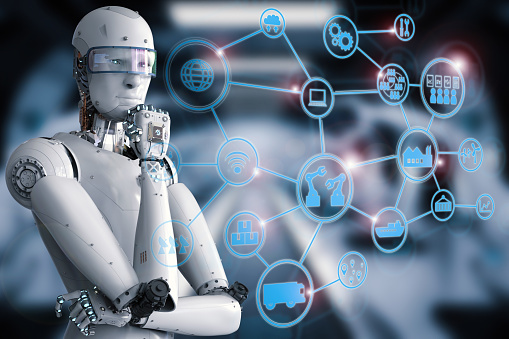
The Rise of Artificial Intelligence in Everyday Life
Artificial Intelligence (AI) is no longer a futuristic dream—it’s an everyday reality. From personal assistants like Siri and Google Assistant [....]
Dec 20, 2024
Cybersecurity: Why It’s More Important Than Ever
As technology advances, so do cyber threats. Cyberattacks, data breaches, and ransomware incidents are increasing, making cybersecurity a top [....]
Jan 28, 2025


Hadid Ramzan
Great overview of web technology! It's fascinating to see how we moved from simple static pages to AI-driven platforms.
Ashfaq Ahmed
Web 2.0 truly changed the internet landscape—social media and user-generated content made the web more engaging than ever!
Muhammad Munawar
The mention of cloud computing and microservices highlights how scalability has become a key focus in web technology today.